The place
Full address, entrance, unit or parking location.
 Let’s talk407-818-1499Call
LockReach / Rekey your locks
Familiar door. Different key.
If the hardware works but you no longer know who has a key, rekeying may be the right conversation. Start with the locks you have and the access you want to change.
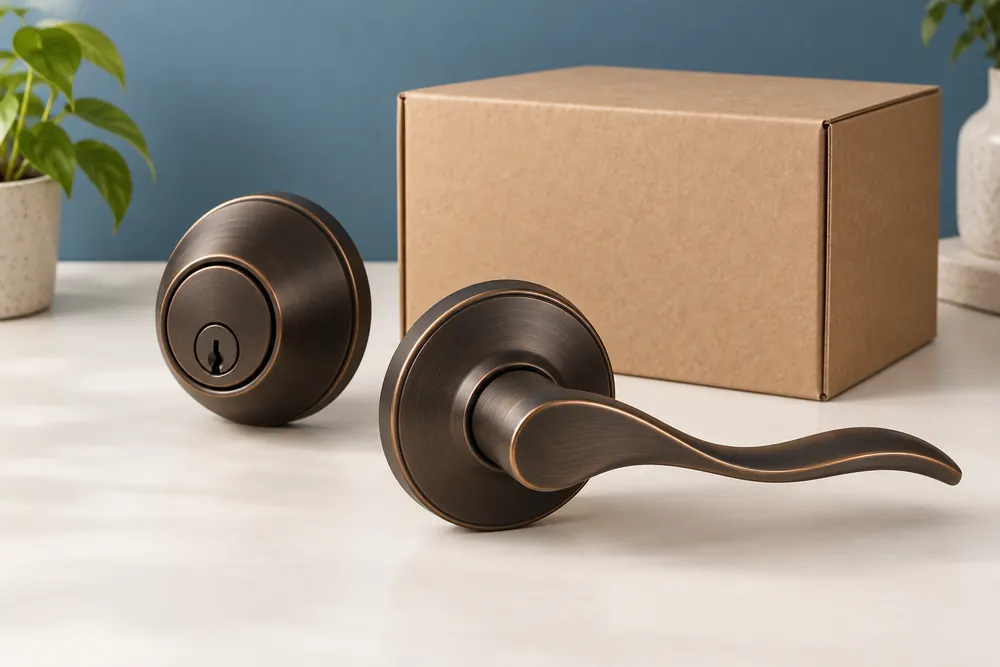
Rekeying changes the working key arrangement inside a compatible lock so a new key operates it and the previous key no longer does. The exterior hardware can often remain in place. That makes it a different job from removing the lock and fitting a replacement.
The important word is compatible. Not every lock can be rekeyed in the same way, and a worn or damaged lock may need other attention. For lock rekeying in Kissimmee, describe both the key-access concern and how the lock behaves. Changing who can open a door does not automatically correct a latch that catches or a handle that has become loose.
Moving into a home is a familiar time to review key access, but it is not the only one. A key may have gone missing, a former occupant may still hold a copy, or a business may need to update staff access. The useful question is which locks should now respond to a different key.
For a move, LockReach's moving and rekeying checklist helps organize the doors before the appointment. Start with the entrances you actually use, then identify other keyed points you want assessed. Do not assume that changing the front door also changes the garage-entry door, mailbox or a separate storage lock.
Same door. Different questions.
A missing key and a sticking lock can look like the same problem from the doorstep. The right conversation starts with the difference.
 Who has a working key?
A change of key for compatible existing locks. Describe the hardware and which doors should work together.
Understand rekeying ↗ What is no longer working?
A key that sticks, a loose handle or a latch that catches needs a conversation about the actual symptom.
Understand lock repair ↗A door can have a keyed knob and a separate deadbolt. Those are two keyed points even though there is one doorway. Another door may have a handle with no key cylinder at all. Explain what you see instead of guessing how many locks should appear on the quote.
Note which keys already work in more than one lock. Keep any working originals available, and say if no key remains. If there is a keypad or electronic credential involved, mention it separately. A mechanical rekey and a code change are not interchangeable; the scope should specify which access methods are being addressed.
A single-key arrangement can be convenient, but it depends on the locks. Different keyways or incompatible mechanisms may prevent the existing hardware from sharing one key. Appearance is not a reliable guide: two brass deadbolts can look similar and still use different key systems.
If that is your goal, say so before the work is quoted. The available choices may involve rekeying suitable locks, keeping some keys separate or considering compatible replacement hardware. Discuss the tradeoffs rather than assuming everything must be replaced. For broader changes to household hardware, see residential locksmith services.
A lock should be assessed for more than whether the key can be changed. If the bolt drags, the key is difficult to turn or the door has to be lifted to latch, describe that behavior. The cause may involve the door or frame as well as the lock.
A lock repair assessment can help separate the access decision from the mechanical issue. In some situations a suitable repair and rekey can be discussed together; in others replacement may be more appropriate. The decision should follow the condition of the installed hardware, rather than treating rekeying as a cure for every door problem.
For a tenant, guest or property manager, establish who can approve the new key arrangement before the visit. A short-term stay does not by itself authorize a lock change. The owner or responsible manager may need to retain access or coordinate with other people who use the home.
Give the full property address and any unit or community name. A residential property near downtown Kissimmee and a home within a managed community can have different arrival arrangements. Ask the responsible contact about approved visitor entry. That practical coordination belongs alongside the list of locks; a community name alone does not identify the door or authorize the work.
Before work starts, confirm the locks included, the keys to be supplied and any separate repair or replacement. The pricing guide explains why the number and condition of the locks matter. If the scope changes after inspection, ask for the revised explanation and cost.
At handover, check your understanding of which new key operates each included lock. Ask which old keys should no longer work and whether any door was outside the job. If you manage keys for a household or business, update that record while the change is fresh rather than mixing old and new copies in the same drawer.
Three details. One better conversation.
Full address, entrance, unit or parking location.
What changed, which keys remain and what still works.
The person who can authorize access and approve work.
A little clarity
Let’s put the details together.
Tell us where you are and what happened.
Ask about availability for your address and request.